Ensuring an optimal indoor environment during the long, humid summer months in Barcelona requires a thorough understanding of the unique characteristics of the urban setting. The Les Corts district presents a particular thermal challenge, where high Mediterranean temperatures converge with constant, high relative humidity. Added to this climatic factor is the rich and varied morphology of its residential properties, which combine elegant classic buildings with contemporary architectural apartment blocks. This architectural reality demands that cooling solutions be carefully designed to ensure maximum performance, always respecting the structure and aesthetics of the facades.
Faced with the technical complexity that these installations entail, specialised knowledge is the factor that makes the difference in daily home comfort. At JAG Alcaide, we have established ourselves as a benchmark company in the HVAC sector in Barcelona thanks to our over 70 years of experience, providing professionalism and rigour since our foundation in 1954. This profound background allows us to master the particularities of each building in the district and design air conditioning systems that respond precisely to the thermal needs of every space.
The success of modern climate control lies not only in the technical quality of the equipment but in its intelligent and sustainable use. Following the official guidelines of the Institute for the Diversification and Saving of Energy (IDAE), the optimum setpoint temperature for domestic cooling systems should be between 24 ºC and 26 ºC. Adjusting thermostats to these parameters is essential to guarantee high energy efficiency. This achieves constant and healthy cooling that protects family well-being, extends the lifespan of the appliances, and drastically optimises electricity consumption during heatwaves.
Municipal regulations for installing air conditioning in Les Corts
The Les Corts district combines classic residential estates, mid-20th-century apartment blocks, and modern developments—an environment where fitting air conditioners requires strict compliance with local regulations to avoid fines and disputes with neighbours.
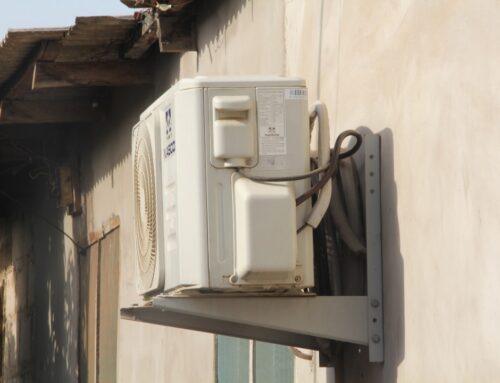
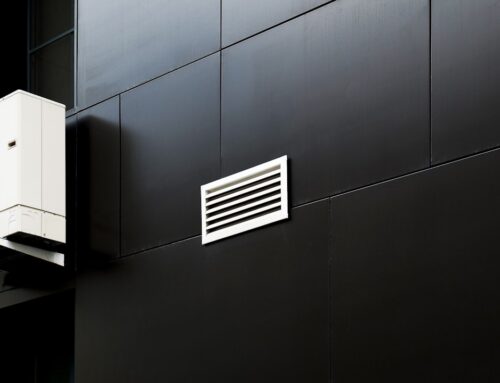
The Barcelona City Council’s Urban Landscape Use Ordinance generally prohibits anchoring outdoor units on main facades visible from the public street. Unless the building has technical louvres or spaces expressly designed to hide compressors in its original architecture, the units must ideally be located on the communal roof terrace or interior balconies without protruding beyond the railing.
In interior light wells, installation is viable provided the minimum hot air evacuation distances are respected: usually at least 2 metres from windows facing the unit and a minimum of 1 metre from side openings, ensuring fluid ventilation.
When the installation requires drilling through load-bearing walls or placing machinery on the common roof, the Horizontal Property Law (LPH) comes into play:
- With provision in statutes: If the community already has a pre-installation or generic authorisations recorded in previous minutes, an additional vote is not usually required.
- Without prior regulation: Any alteration to common elements must be put to a vote at an ordinary or extraordinary meeting, requiring a simple majority of favourable votes from owners and participation quotas (Article 17.7 of the LPH).
Barcelona’s Environmental Ordinance sets strict limits to prevent noise pollution in dense residential areas. During the day (from 7:00 am to 9:00 pm), the noise level transmitted to adjoining bedrooms must not exceed 30 dB(A), while at night the limit drops to 25 dB(A). Outdoors, the general threshold cannot exceed 55 dB(A), which dictates the use of compressors with low-noise inverter technology and anti-vibration mounts with approved silent blocks.
Air conditioning options according to property type
The residential housing stock in the Les Corts district boasts notable architectural diversity, from classic buildings and blocks constructed in the second half of the 20th century to recently built properties near Diagonal. This variety means that the choice of thermal system must be precisely tailored to the layout and characteristics of each property.
In conventional flats where the aim is to condition specific areas—usually the living room and main bedrooms—without undertaking complex building work, split or multi-split units with inverter technology are the most practical solution. They allow you to zone comfort by managing the temperature of each room independently. Top-tier brands like Daikin, Mitsubishi Electric, or Panasonic stand out for their high seasonal energy efficiency ratios (SEER) and low sound pressure, guaranteeing the quiet operation essential for a good night’s rest.
For spacious apartments, penthouses, or installations as part of a comprehensive renovation, installing ducted air conditioning hidden in a false ceiling offers an even distribution of air and a clean aesthetic, leaving only discreet supply and return grilles visible.
For projects seeking the highest energy rating, aerothermal systems using an air-to-water heat pump can cover summer cooling, winter heating, and domestic hot water with a single, highly efficient unit, drastically reducing overall electricity consumption.
The required capacity does not depend solely on the size of the home. Although a baseline of 100 frigories per square metre is calculated for rooms with standard ceilings (2.50 metres), specific factors come into play in Les Corts:
- Orientation and solar radiation: South or southwest-facing homes, common on the district’s wide avenues, receive a high thermal load in the afternoon, requiring the calculation to be increased to 120-130 frigories/m².
- Insulation and joinery: The presence of old window frames without thermal breaks or large windows increases heat loss.
- Top floors and penthouses: Direct radiation on the building’s roof demands a preventive oversizing of between 15% and 20% to ensure performance during summer heat peaks.
Air conditioning installation and repair prices in Barcelona
Calculating the investment required to air-condition a home or fix a technical fault depends on both the architectural characteristics of the property and the scope of the work. Having clear reference figures allows you to evaluate your options soundly before undertaking any building work or repair.
The basic installation of a split air conditioner usually falls within a range of €250 to €450. This standard rate covers the fixing of the indoor and outdoor units on brackets with anti-vibration dampers, laying up to 3 metres of insulated refrigerant line, gravity drainage connection, and commissioning with the statutory vacuum test. For larger-scale projects, the installation of a ducted air conditioning system ranges between €1,800 and €3,600, an increase justified by the integration of the duct network in false ceilings, airflow balancing, and the fitting of supply and return grilles.
On the corrective side, standard fault diagnosis and repair costs between €90 and €220. This amount typically covers common tasks such as replacing depleted start capacitors, changing fan motors, or locating and sealing leaks in flares, accompanied by the corresponding refrigerant gas recharge. Likewise, annual preventive maintenance and tune-up has a cost of €75 to €140, focusing on the bactericidal disinfection of evaporators and checking operating pressures.
The final amount may vary depending on property-specific factors:
- External accessibility: Hard-to-reach facades or interior courtyards requiring scaffolding or working at height.
- Condensate management: The need to fit an electric condensate pump if there is no natural fall to the drain.
- Builders’ work: Chasing walls, opening access panels, or replacing plasterboard to hide piping.
Preventive maintenance and common breakdowns during summer
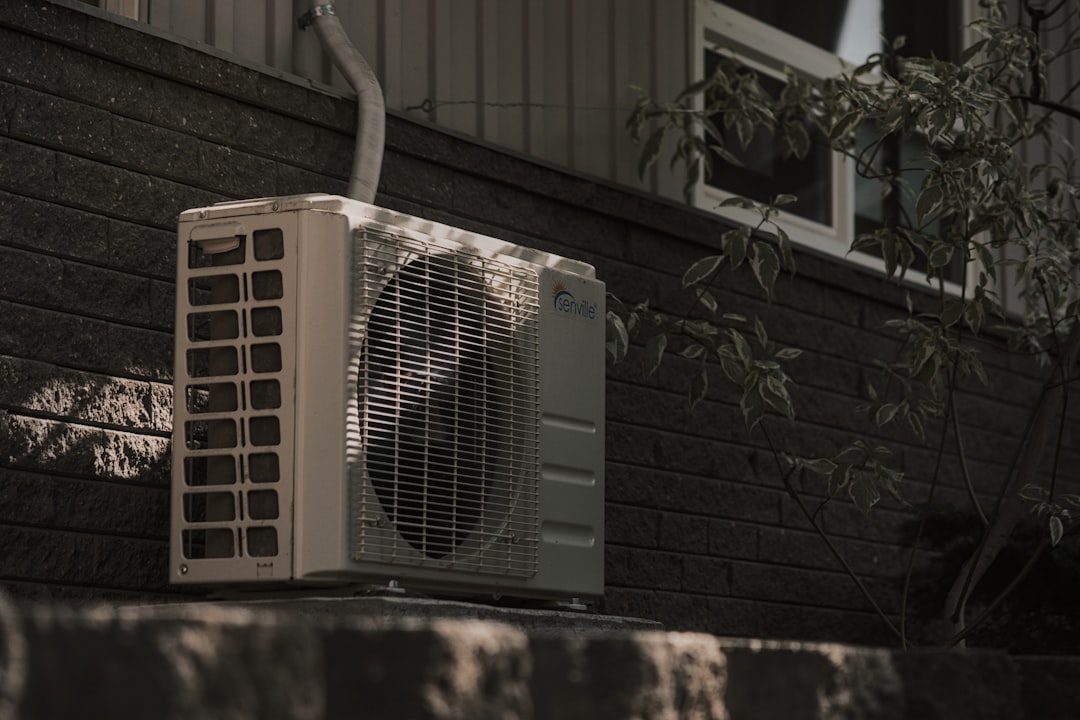
Summer temperature peaks subject HVAC installations to continuous stress, especially in residential buildings with complex architectural configurations. In many Les Corts homes, locating outdoor units in narrow light wells is the main cause of overheating breakdowns. When multiple condensers are concentrated, expelling hot air in a poorly ventilated space, the courtyard’s ambient temperature skyrockets. This forced recirculation prevents the machine from dissipating heat efficiently, causing the compressor to reach critical thermal values and the pressure switch or thermal protector to lock the system for safety during the hottest hours of the day.
To neutralise these faults and ensure a healthy environment inside the home, the technical preventive maintenance protocol must include three essential actions:
- Sanitisation and disinfection of the indoor unit: Shaking out the air filters is not enough. It is essential to apply approved bactericidal treatments to the heat exchanger coil and deeply clean the condensate tray to eradicate fungal growth, prevent bad odours, and avoid drain blockages that lead to dripping on walls or parquet floors.
- Pressure and leak testing: Technical monitoring of the refrigerant gas operating pressures ensures the circuit has no micro-leaks—a factor that would force the compressor to work beyond its usual capacity without actually cooling.
- Clearing the outdoor condenser: Carefully removing dirt and debris accumulated on the outdoor unit’s fins facilitates heat exchange, relieving the motor’s mechanical load.
Complying with this annual maintenance provides direct benefits: it reduces electricity consumption by between 15% and 20% by optimising thermal transfer, and drastically minimises the risk of suffering severe compressor failures in the middle of a heatwave.
Tackling the climate control of a home or commercial premises in such a characteristic district requires a comprehensive approach that goes far beyond simply plugging in an appliance. Guaranteeing maximum thermal comfort during the months of extreme temperatures obligatorily involves selecting the most suitable equipment, correctly sizing the cooling capacity according to the square metres and specific needs of the property. Opting for highly energy-efficient systems makes a noticeable difference to electricity consumption in the medium and long term.
Furthermore, any work must be executed in strict compliance with Barcelona’s current urban planning regulations. The correct placement of outdoor units on facades, interior courtyards, balconies, and roofs is crucial for preserving the architectural aesthetics and avoiding disciplinary proceedings. Entrusting your project to certified installers is the only way to ensure strict adherence to these legal regulations, protect the safety of the electrical installation, and keep the manufacturer’s official warranties intact.
Flawless technical assembly, backed by exhaustive annual preventive maintenance—whose usual cost is typically between €75 and €140—prevents expensive breakdowns, extends the machinery’s lifespan, and guarantees optimal air quality inside your home or business.
At JAG Alcaide, we place our team of specialist technicians at your disposal to bring your air conditioning project to life with the maximum guarantees. We invite you to request a personalised technical study or a detailed quote without any obligation. Secure the well-being of your space by trusting professionals who prioritise quality, efficiency, and your complete peace of mind.
Preguntas frecuentes
❓ Do I need community permission to install air conditioning in Les Corts?
If the installation alters common areas like facades or the communal roof, and isn’t pre-approved in the community statutes, you will need a simple majority vote under the Horizontal Property Law (LPH).
❓ What is the ideal temperature for my air conditioning in Barcelona?
According to the IDAE, the optimal cooling temperature for homes is between 24ºC and 26ºC. This ensures high energy efficiency, reduces consumption, and protects your health during the summer.
¿Necesitas ayuda profesional en Barcelona?
En JAG Alcaide te ofrecemos presupuesto sin compromiso. Nuestro equipo de profesionales está a tu disposición.