
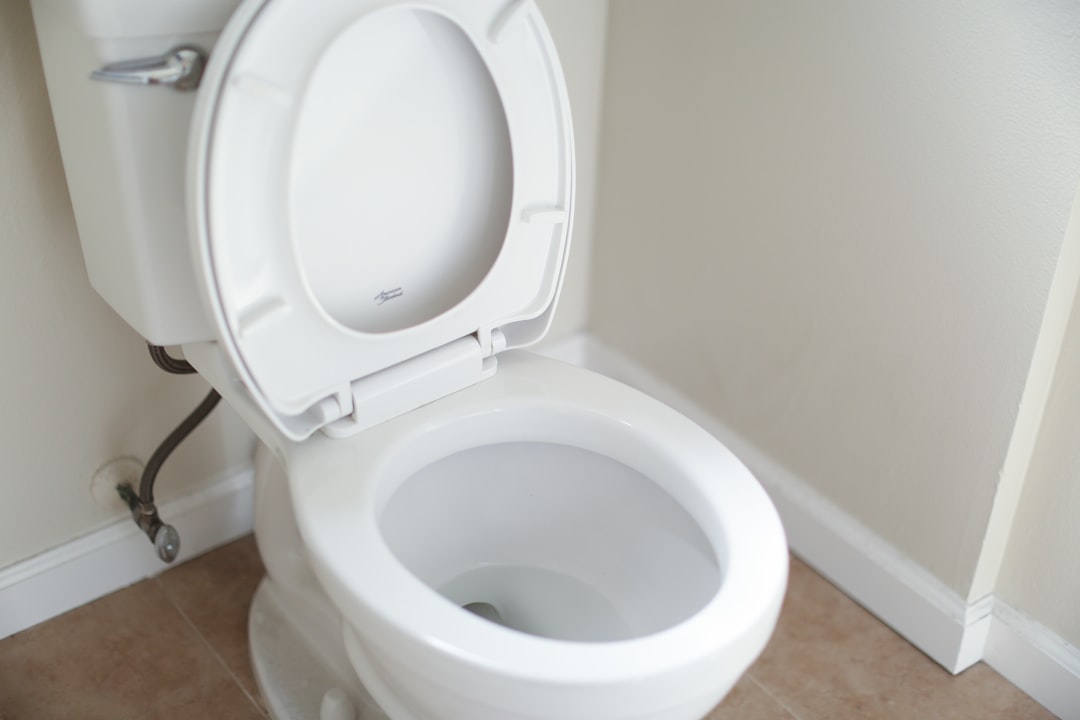
A perfectly functioning toilet is the invisible pillar of hygiene and comfort in any home in Barcelona. Proper installation of the drainage network is fundamental to prevent serious and costly problems, such as dreaded sewage leaks, recurrent blockages, or the appearance of bad odours that ruin the habitability of a property. Poor plumbing work in this critical area affects not only daily wellbeing but can also compromise the bathroom’s finishes and structures due to silent and continuous dampness.
To guarantee impeccable drainage, using highly resistant and reliable materials is essential. PVC (polyvinyl chloride) has established itself as the standard choice thanks to its absolute durability, immunity to corrosion, and completely smooth inner surface, which facilitates rapid flow and prevents waste accumulation. Connections are usually made using specific pan connectors (straight, angled, or offset), designed to join the sanitaryware outlet to the main soil pipe in a completely watertight manner. Technically, the standard measurements for a toilet waste pipe are set at 110 millimetres in diameter, a standardised dimension essential to withstand the large volume of instantaneous flushing without causing trap siphonage or unwanted retentions.
All this assembly does not respond to arbitrary decisions but follows a rigorous regulatory framework. The design, choice of materials, and sizing of wastewater drainage networks must strictly comply with the requirements stipulated in the Spanish Technical Building Code in its Basic Document on Health and Safety (CTE DB-HS). Following these official guidelines is the only guaranteed method for the sanitary network to maintain optimal performance, with the precise falls and adequate ventilation to protect the property’s long-term hygiene.
WC waste pipe measurements and diameters: 90, 100 or 110 mm?
Selecting the correct size for toilet drainage is a determining factor in preventing blockages and ensuring a continuous flow of waste. The ceramic of most WC pans has a standard outlet nozzle of about 100 mm in external diameter. However, the PVC pipes to which this outlet is connected are usually 90 mm or 110 mm, which is why a flexible or rigid pan connector is used to guarantee a completely hermetic seal.
The choice between one diameter or another depends on the type of installation and the available space:
- 110 mm pipe: This is the standard measurement in traditional plumbing. It is recommended as the first choice for general soil stacks (bajantes), as it offers the optimal space for the continuous clearing of solid matter and liquids without the risk of volume collapse.
- 90 mm pipe: Very common in wall-hung toilets with concealed frames or in bathroom refurbishments with limited space. It offers excellent performance provided the horizontal run to the soil stack is short and without sharp 90° bends.
Water behaviour varies depending on the type of toilet waste outlet. In a vertical outlet (to the floor), gravity helps evacuate waste almost immediately. Conversely, in a horizontal outlet (to the wall), the flow must move horizontally until it finds the main conduit.
In horizontal discharges, controlling the pipe fall is crucial. To guarantee effective clearing, the waste pipe must maintain a constant gradient of between 2% and 3% (a 2 to 3 cm drop per linear metre). If the fall is less than 2%, solids will accumulate due to a lack of momentum. If it exceeds 5%, the water will flow too quickly, leaving solid waste behind and causing blockages in no time.
Types of pipes and recommended materials for toilet drainage
Guaranteeing hygiene and watertightness in toilet drainage depends directly on the appropriate choice of material and its correct technical configuration. Current Spanish regulations prioritise durability over temporary solutions to prevent leaks and bad odours.
The rigid PVC pipe with a 110 mm diameter is the gold standard for connecting the toilet to the soil stack. Its smooth inner surface prevents waste adhesion, reduces the risk of blockages, and offers optimal mechanical resistance over the long term.
For their part, flexible or extendable pan connectors are useful as a specific solution to correct minor misalignments between the toilet outlet and the drain opening. However, as they have a corrugated interior finish, they generate more friction and increase the possibility of waste accumulation, so their installation should be limited to cases where placing a rigid pipe is technically impossible.
The design of the flush varies depending on the type of cistern:
- Exposed cisterns: These use smaller diameter flush pipes (usually between 32 mm and 40 mm) made of PVC or polypropylene, connected via direct mechanical joints and conical watertight seals.
- Concealed cisterns: These require a specific inlet bend and waste pipes, integrated into self-supporting frames. They are usually made of electro-fused or heat-welded high-density polyethylene (HDPE), guaranteeing an indivisible and durable joint behind the plasterboard or masonry.
To protect the installation against water and gas leaks, the use of EPDM watertight seals (ethylene propylene diene monomer) is fundamental. This elastic material withstands the aggression of chemical cleaning products and constant deformation without losing its properties. Alongside these, selecting inlet bends with the correct angle (preferably at 45° instead of 90° when space allows) is decisive in favouring a smooth fall and avoiding blockages in the exit curve.
What pipes and accessories are needed to install a WC?
Properly installing a toilet requires a precise selection of technical components to guarantee total watertightness and an efficient drainage flow. A complete system consists of four fundamental elements:
- Waste pipe: Made of rigid PVC, it must have a standard diameter of 110 mm to ensure direct discharge into the network without the risk of blockages.
- Sanitary water supply: Copper or multi-layer piping (usually with a diameter of 12 mm or 15 mm, equivalent to 1/2 inch) intended for the constant filling of the cistern.
- Isolation valve: Regulating angle valve (from 1/2″ to 3/8″) that allows the water supply to the sanitaryware to be isolated independently in the event of a fault.
- Pan connector (manguetón): A rigid or flexible technical connection piece with an elastomeric lip seal, which joins the pan outlet to the drain opening.
In bathroom refurbishments in Barcelona, it is common to find old lead pipes or sections of fibre cement. The intervention requires removing the degraded sections up to the communal soil stack and integrating an approved transition sleeve to the new PVC pipe. This procedure prevents corrosion fractures and adapts the internal network to the Spanish Technical Building Code.
Carrying out the installation without the required precision often leads to serious pathologies in the short term:
- Poor seating of the pan connector seal: A loose fit generates slow leaks that seep under the tiles, deteriorating the floor screed.
- Insufficient fall: If the horizontal section of the pipe does not maintain at least a 2% incline towards the soil stack, bad odours return and solid waste accumulates.
- Sealing with rigid materials: Replacing elastic watertight seals with unsuitable putties causes cracks due to the continuous expansion and contraction of the material.
Guide prices for pipes and professional WC drain replacement
Planning the repair of a toilet drain requires knowing in advance the financial impact the intervention will have, distinguishing between the cost of spare parts and the labour rate. The final quote varies mainly according to accessibility to the pipes and the type of installation in the property.
Standard plumbing spare parts for the WC do not usually represent a high outlay in themselves. Among the most common drainage components, we find the following price ranges:
- Flexible PVC WC connector or extendable pipe: €10 – €25
- Flush pipe for concealed cistern: €45 – €75
To this materials budget, we must add the professional work. The plumber’s labour for changing WC pipes usually ranges between €90 and €180. This fee covers the removal of the toilet, sanitising the drainage opening, fitting the new connector, and conducting watertightness tests to prevent future leaks.
Several technical conditions can make the replacement of the waste pipe cheaper or more expensive:
- Need to break the floor or wall: If the connector or linking bend is embedded under the floor or behind the partition wall, masonry work is required, which increases the working hours and the cost of subsequent finishing.
- Concealed cisterns and wall-hung toilets: Accessing the flush pipe in these models requires working through the flush plate or dismantling the internal metal frame, increasing the technical complexity compared to a traditional close-coupled WC.
- Connection to the floor trap or soil stack: If the damaged pipe connects directly to an old floor trap (bote sifónico) that also requires intervention or replacement, the scope of the technical sanitation will be greater.
Choosing the correct components for the toilet drainage system is determining to avoid problems with bad odours, blockages, and unpleasant long-term leaks. A suitable diameter, which is usually 110 mm for standard outlets, ensures a continuous and efficient flow of wastewater towards the main soil stack of the property.
Combining this exact measurement with highly resistant materials, such as soundproofed or thick-walled PVC, guarantees not only the absolute watertightness of the circuit but also a significant reduction in noise during flushes. The quality of the materials plays a vital role in the durability of the drain. Although the parts are very affordable—a flexible PVC WC connector or extendable pipe is usually between €10 and €25, while a flush pipe for a concealed cistern ranges from €45 to €75—a poor installation can lead to serious faults.
Therefore, having a precise technical execution guarantees peace of mind. Bearing in mind that specialised labour for changing these pipes ranges between €90 and €180, preventive or corrective replacement is a smart investment compared to the high cost of repairing structural damp damage under the bathroom floor. Maintaining the drainage network in optimal condition through correct planning will prevent unexpected expenses in the future.
If you are thinking of refurbishing your bathroom, updating the drainage system, or need to solve a problem with your drains, our team of plumbing experts operates throughout Barcelona offering fast, safe, and definitive solutions. Request your no-obligation plumbing quote today or ask us for specialised technical advice for your home.
Preguntas frecuentes
❓ What is the standard diameter for WC pipes in Spain?
The standard diameter for toilet waste pipes according to Spanish regulations is 110 mm. However, 90 mm pipes are also frequently used, particularly for wall-hung toilets in smaller bathroom spaces.
❓ How much does it cost to replace a toilet drain pipe in Barcelona?
The materials (like PVC pan connectors) usually cost between €10 and €75, while professional plumber labour ranges from €90 to €180, depending on whether masonry work is needed to access the pipes.
¿Necesitas ayuda profesional en Barcelona?
En JAG Alcaide te ofrecemos presupuesto sin compromiso. Nuestro equipo de profesionales está a tu disposición.