
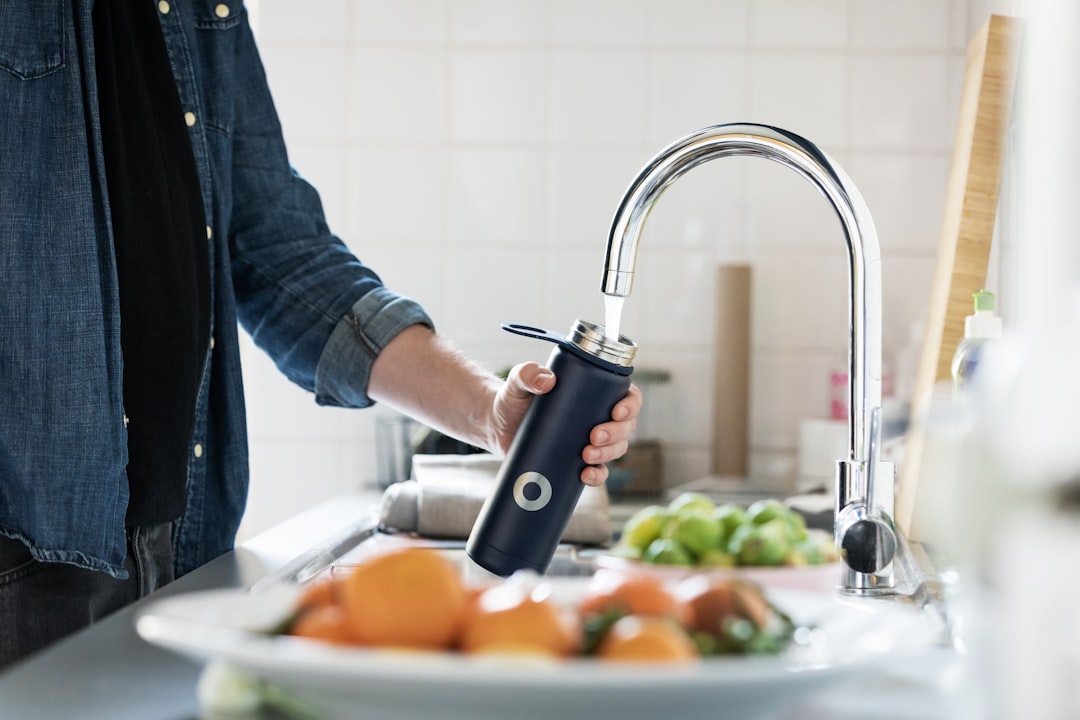
The sound of stagnant water and the bad smell from the kitchen sink announce one of the most frustrating domestic setbacks. A blocked drain completely interrupts the daily routine in any Barcelona home, paralysing basic tasks such as washing dishes, cleaning food, or simply maintaining proper hygiene in the workspace. Small food scraps, the constant accumulation of cold fats, and soap sediments create a silent plug inside the U-bend which, sooner or later, completely blocks water circulation.
At JAG Alcaide, we know the evolution of this scenario perfectly. As a company specialising in plumbing services founded in 1953, we bring over 73 years of experience resolving all types of incidents in drainage networks and restoring peace of mind to families across the city.
Faced with the urgency of seeing water reaching the edge of the sink, frustration often pushes us to seek immediate solutions, although not all are equally effective or safe for the installation. In this regard, independent entities such as the Organisation of Consumers and Users (OCU) have repeatedly analysed different domestic unblocking methods. Their evaluations and advice clearly warn about the long-term damage that highly corrosive commercial chemical products can cause to PVC pipes, as well as highlighting their significant environmental impact. Compared to industrial unblockers, the organisation frequently highlights that home remedies based on natural reactions or the proper use of traditional mechanical tools—provided they are applied with the correct technique—manage to clear the most common blockages without putting the integrity of the pipes at risk. Understanding the origin of the blockage is essential to choosing the most appropriate method and avoiding making the problem worse.
Effective home methods to unblock the sink quickly
Resorting to home solutions at the first signs of a slow-draining sink allows you to resolve most mild blockages without complications and without damaging the pipes.
The combination of baking soda and white vinegar is ideal for dissolving organic debris and grease attached to the pipe walls. To apply it correctly:
- Pour half a cup of baking soda directly down the dry drain.
- Next, add a cup of white cleaning vinegar. An effervescent reaction will occur that will break down the accumulated organic matter.
- Leave the mixture to work for about 15 to 20 minutes.
- Rinse by slowly pouring one to two litres of boiling water to flush away all the loosened residue.
When the accumulation of dirt generates a more resistant physical plug, manual mechanical tools offer excellent results through pressure:
- The traditional plunger: To maximise its effectiveness, it is essential to cover the sink’s overflow with a damp cloth to prevent air leaks. Add a couple of inches of water to the basin to ensure the rubber cup is sealed, and pump vertically and rhythmically.
- The plumber’s snake: This flexible steel cable is inserted through the pipe by turning the handle clockwise. Upon detecting the resistance of the blockage, the spiral end catches the accumulated dirt so it can be extracted outwards, avoiding pushing the blockage further into the network.
If the water remains stagnant after applying these techniques, the problem is usually located in deeper sections or in the building’s downpipe.
What to do when the sink won’t drain at all: how to clean the U-bend
The U-bend (or trap) acts as an essential hydraulic barrier against bad odours from the sewer, but its curved or bottle shape makes it the critical point where most organic waste and accumulated fats are deposited.
Before handling the installation under the sink, shut off the water supply and place a bucket of sufficient capacity right under the section to catch any stagnant water discharge. PVC pipes use plastic threads that do not require brute force:
- Manual loosening: Turn the union nuts anti-clockwise using only the strength of your hands. Avoid using pipe wrenches or direct metal pliers, as they could dent the plastic or permanently cross-thread the joint.
- Removing the bottle or bend: Remove the lower part while keeping it vertical until all the liquid and accumulated sediments are emptied into the container.
With the piece detached, remove the fat deposits, food scraps, or sludge sitting at the bottom using warm water, degreasing soap, and a soft brush. Avoid pouring these residues down another drain without prior filtering so as not to transfer the blockage to another area of the house.
During this process, it is essential to meticulously inspect the watertight seals—the rubber or silicone washers located at each joint. Check that they retain their elasticity and do not show cracks, looseness, or crushing deformation. If the rubber is rigid or worn, it must be replaced with a piece of the exact same diameter to prevent subsequent dripping.
To finish the reassembly, fit the pipes maintaining a perfectly perpendicular alignment and tighten the nuts by hand until the structure is firmly and tightly secured.
Common mistakes that can worsen blocked pipes
Attempting to resolve a sink blockage using aggressive methods often transforms a minor issue into a serious and costly breakdown. There are popular remedies that, far from clearing the water’s path, deteriorate the installation and solidify the plug.
The indiscriminate use of industrial liquid unblockers or caustic soda flakes is one of the most recurring mistakes. These products act through exothermic chemical reactions that generate high heat inside the drain. In pipes made of PVC or light plastics, this temperature rise can soften, deform, or even melt the connections and elbows.
Furthermore, if the caustic soda fails to dissolve the blockage completely due to insufficient water flow, the product cools and undergoes a crystallisation process. This creates a solid and impenetrable block, impossible to remove with plungers or manual augers, which ends up requiring the complete replacement of the affected pipe section.
On a daily basis, seemingly harmless habits contribute to the progressive accumulation of waste in the downpipes:
- Used cooking oil: Upon cooling and coming into contact with water, fats solidify, creating a viscous film on the internal walls of the pipes. This layer acts as a magnet that traps any food debris.
- Coffee grounds: There is a false myth that coffee grounds clean pipes by friction. In reality, ground beans do not dissolve in water and adhere to previous grease, clumping together until they form a dense plug with a consistency similar to dry mud.
Avoiding these habits and discarding the use of corrosive acids prevents cracks in the pipework and keeps the drainage flow in perfect condition.
When to contact a professional plumber and what to expect from the service
Recurring overflows in the sink basins or persistent bad odours emerging from the drain indicate that the blockage is beyond the U-bend trap. In these scenarios, the use of chemical unblockers or domestic manual augers is ineffective and can even damage the pipe joints.
The problem acquires a technical nature when the accumulation of fats, detergents, and organic waste solidifies in the communal downpipe or the main sewers. There are clear signs that reveal this situation:
- Water back-up: Water expelled by the dishwasher or washing machine reappears through the sink basin.
- Gurgling noises: Continuous gurgling can be heard in the pipes when emptying other sanitary units or taps.
- Simultaneous impact: Several drainage points in the home or building drain extremely slowly at the same time.
A professional technical service tackles these serious drainage complications using specialised equipment that guarantees a definitive solution without resorting to destructive building work:
- CCTV drain survey: A micro-camera with an optical head is inserted to locate the exact point of the obstruction, assess the internal state of the pipe, and rule out structural cracks or deformations.
- High-pressure water jetting: Using hydrodynamic equipment with specific nozzles, jets of water are projected at regulated pressure. This procedure breaks up the most compact sediments and quickly restores the internal diameter of the pipe in the sanitation network of Barcelona and its metropolitan area.
At the end of the intervention, a flow test is carried out to verify that the system drains with total fluidity and the installation safely recovers its operability.
Maintaining a constant flow of water in the kitchen depends directly on incorporating very simple preventative habits into our daily lives. Once the initial problem is solved, prevention becomes the most effective tool to protect the plumbing installation and avoid recurring inconveniences.
To ensure optimal long-term drainage and care for your pipes, it is essential to follow these maintenance guidelines:
- Use protective mesh or strainers: Placing a stainless steel or silicone filter over the plughole will effectively block the passage of food scraps, coffee grounds, and other solid waste into the system.
- Manage oils correctly: Avoiding pouring cooking fats down the drains is paramount. These substances tend to solidify quickly upon cooling, creating plugs that act as glue for the rest of the dirt.
- Apply thermal washes: Pouring a large pot of boiling water with a dash of vinegar once a week helps to wash away small soap sediments and keeps the entire pipe run clean.
- Check the U-bend periodically: Unscrewing and cleaning the base of the trap every few months prevents the accumulation of heavy elements that end up reducing the water passage diameter.
Despite applying all these care measures, there are severe blockages or deep calcifications that exceed any home method. In these scenarios, forcing the pipes with aggressive chemicals or inadequate wires can cause serious breaks. As an industry reference, a basic manual unblocking intervention or U-bend cleaning usually costs between €70 and €110, whereas if the blockage requires a superior technical intervention with an electric snake or specialised tools, the range is typically between €120 and €180.
If you have tried the basic remedies and the water still won’t flow, contact JAG Alcaide. Our expert team of plumbers will step in with professional tools to unblock your kitchen sink and restore the comfort of your Barcelona home quickly and safely.
Preguntas frecuentes
❓ Can I use caustic soda to unblock my kitchen sink?
It is highly discouraged. Caustic soda causes exothermic chemical reactions that generate excessive heat, which can easily melt or deform PVC pipes. If it fails to dissolve the blockage completely, it can also crystallise and form a solid, impenetrable mass in your drainage system.
❓ Why does my kitchen sink smell bad and drain slowly?
A slow-draining sink accompanied by foul odours is typically caused by an accumulation of food scraps, cold cooking fats, and soap sediments trapped in the U-bend. Regular maintenance using a combination of baking soda and white vinegar helps clear mild blockages and neutralise the smells.
¿Necesitas ayuda profesional en Barcelona?
En JAG Alcaide te ofrecemos presupuesto sin compromiso. Nuestro equipo de profesionales está a tu disposición.