
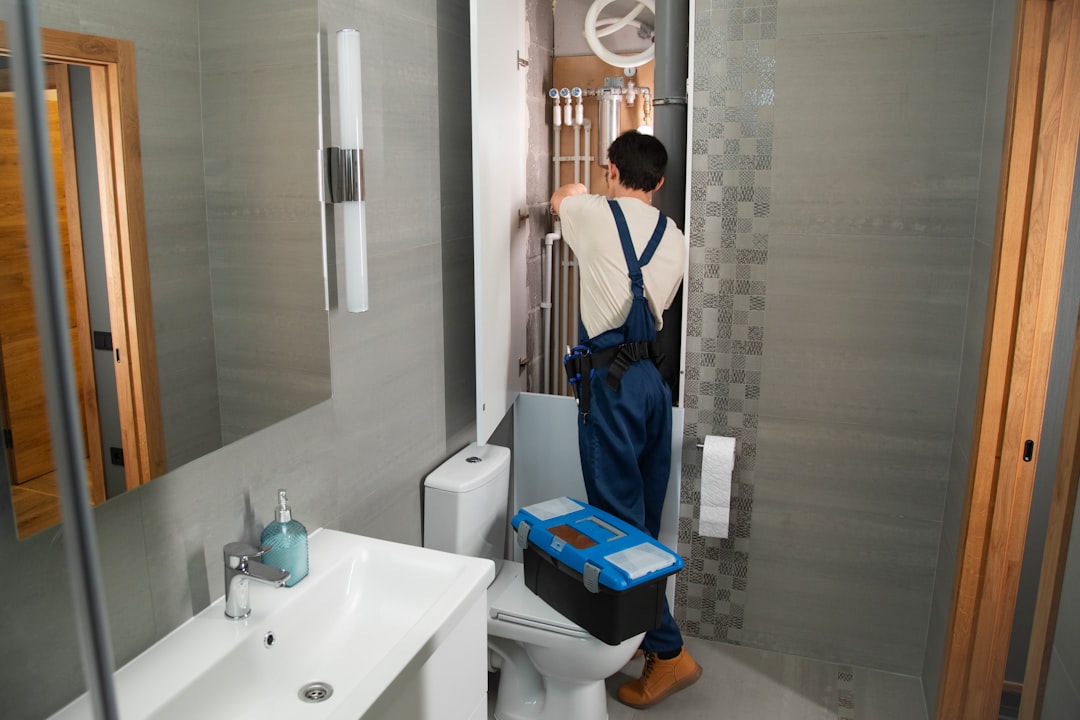
The proper functioning of your drainage network is the true, invisible heart of a comfortable and safe home. A blockage in your domestic pipes is not simply a minor nuisance that slows down your sink or shower drain; it represents a serious disruption to the pressure and flow of your entire plumbing system. When waste accumulates, water seeks alternative escape routes or backs up, drastically increasing the risk of sudden overflows. Early plumbing intervention is essential to halt the premature deterioration of seals, prevent burst pipes due to overpressure, and definitively avoid structural dampness that compromises the physical integrity and hygiene of your property.
At JAG Alcaide, we apply a highly rigorous technical approach—both preventive and corrective—to resolve all types of drainage problems in Barcelona. Our diagnostic method evaluates the internal condition of downpipes and conduits to tackle the issue at its source, ensuring that a simple sediment blockage does not escalate into a major emergency requiring invasive building work.
Accounting for the majority of blockages, the accumulation of non-biodegradable items and accidentally poured cooking oils is the primary threat to this infrastructure. According to technical reports and guidelines from the Agència Catalana de l’Aigua, the impact of solid waste and fats on urban and domestic drainage networks is devastating. These compounds tend to solidify upon contact with cold water, progressively adhering to the inner walls of the pipes. This silent process reduces the usable diameter of the pipe every day until it causes a total collapse, ultimately requiring mechanical or high-pressure water jetting techniques to restore the circuit to normal.
Most common causes: why pipes and U-bends get blocked
A collapse in the drainage system rarely occurs unexpectedly; in the vast majority of cases, it is the result of an accumulative process driven by poor household habits or the ageing condition of the installation itself. Understanding the root of the problem is key to avoiding recurrent blockages and major breakdowns.
In the kitchen, the main trigger for blockages is the disposal of cooking oils and organic food waste. Even though oils and fats are poured in liquid form, they cool rapidly as they travel through the pipes and cling to the interior walls. When interacting with dishwasher detergents and greywater, a chemical reaction known as saponification occurs. This phenomenon creates a dense, hardened white paste that progressively narrows the pipe section until the water flow is completely blocked.
In bathroom areas, the dynamics of blockages are different:
Hair and shower gels: Hair that falls down shower and basin drains acts like a net, trapping thick soap residue, conditioners, and toothpaste, consolidating into a compact plug right in the individual U-bend.
Non-biodegradable wet wipes and cellulose: Flushing wet wipes down the toilet poses one of the greatest risks to the drainage network. Made of interwoven synthetic fibres, they do not break down in water like conventional toilet paper, accumulating in the bends of the soil pipes until they cause overflows.
Not all problems stem from misuse. There are determining structural factors, especially in older buildings:
Insufficient gradients and poor layouts: Drainage sections with an incline of less than 1.5% or sharp 90-degree bends drastically reduce the flow velocity, preventing the water from washing away solids.
Limescale buildup: In areas with very hard water, like Barcelona, calcium carbonate deposits coat the inside of the pipes. This makes the surface rough, providing a perfect grip for any passing residue to become permanently trapped.
Warning signs indicating when and why drain unblocking is needed immediately
Detecting an early-stage blockage in your drainage network avoids complex and costly interventions. Domestic pipes give plenty of warning before collapsing completely, displaying abnormal daily flow patterns that are important to recognise.
The most direct sign is a gradual loss of speed in water evacuation. In shower trays and baths, water tends to pool around your ankles, whilst the basin takes several minutes to empty after everyday use. In toilets, observing an abnormally high water level or a slow descent after flushing indicates an imminent blockage in the pan connector or the main soil pipe.
This poor drainage is often accompanied by a characteristic gurgling sound. This guttural noise comes from drains or vents when an adjacent sanitary unit is used. It happens because the blockage restricts the free flow of air in the pipe, creating a vacuum that sucks water from nearby U-bends.
The accumulation of hair, fats, and soap residue creates an ideal anaerobic environment for the fermentation of organic matter inside the pipe. When the U-bends lose their water seal due to a lack of ventilation, foul gases rise directly into the home, causing a persistent bad odour that air fresheners cannot mask.
Ignoring these warning signs ultimately transforms a minor issue into a severe incident:
- Leaks to downstairs neighbours: Trapped water seeks escape routes through the weakest joints, causing drips, damp patches, and peeling paint in adjoining properties.
- Burst pipes from overpressure: The continuous accumulation of waste and the weight of stagnant water can break joints and bends in ageing pipes.
- Structural damage: Undetected leaks soak into floor slabs and partition walls, weakening load-bearing elements and significantly driving up repair costs.
Professional solutions versus home remedies for unblocking drains
The initial impulse when faced with a slow-draining sink is usually to reach for a quick supermarket fix, even though this often exacerbates the structural problem of the installation. Standard chemical drain cleaners, formulated with concentrated caustic soda or sulphuric acid, trigger highly exothermic thermal reactions. In domestic PVC pipes, this sudden spike in temperature softens the thermoplastic, warps the gradients, and calcines the rubber watertight seals, leading to unnoticed leaks. Furthermore, when in contact with fat accumulations, these products can saponify the waste, forming a rock-hard blockage that is even harder to remove.
For a minor issue, it is significantly safer to opt for manual mechanical interventions:
- Bellows plunger: Unlike the traditional suction cup, its chamber generates much higher air and water pressure, capable of dislodging superficial build-ups without compromising the pipe joints.
- Dismantling the accessible U-bend: Unscrewing the bottom cup of the trap—always placing a basin underneath—allows you to directly extract dirt accumulated by sedimentation in the water trap, such as organic waste, soap, or hair.
When the blockage is located in concealed pipework or communal soil pipes, homemade tools are ineffective. Professional plumbing addresses these situations using three indispensable resources:
- Motorised rotary drain snake: This flexible tool advances through the inside of the pipe, breaking up compact blockages without scratching the walls.
- High-pressure water jetting: Equipment that introduces water at calibrated pressures to flush out sludge, limescale, and adhered fatty residues, restoring the original passage section.
- CCTV drain inspection: A micro-camera with an emitting probe that diagnoses the exact origin of the blockage, identifying whether there is a fissure, a collapsed hidden inspection chamber, or a reverse gradient.
To avoid having to resort to these measures, applying basic preventive habits is usually enough: install steel strainers or filters on all plug holes to stop solids from passing through, and periodically pour boiling water down the drains to dissolve early soapy sediments.
Who covers the cost: tenant, landlord, or the building community
Determining the financial responsibility for a plumbing intervention often leads to disagreements between the parties involved. To clarify who should pay the bill, the Spanish legal framework establishes clear guidelines based on the origin of the fault, the type of pipe affected, and the existing insurance policy.
Article 21 of the Spanish Tenancy Act (LAU) regulates the maintenance of the property and distinguishes two main scenarios:
- The tenant must cover small repairs arising from ordinary use and daily wear and tear of the property. If the problem is due to an accumulation of organic waste, hair, or wet wipes in the immediate drains, the responsibility falls on the tenant. A basic U-bend or individual drain unblocking has an estimated cost of between €75 and €120.
- The landlord is obliged to pay for the conservation works necessary to keep the dwelling in habitable conditions, provided the failure is due to the age of the network, gradient defects, or structural problems. An intervention of this type, such as mechanical unblocking of an internal pipe using a snake or rotary machine, usually costs between €130 and €210.
The Spanish Horizontal Property Act (Ley de Propiedad Horizontal) sets the limit of responsibilities at the connection point. Pipes running inside the flat up to the main soil pipe are private and belong to the property owner.
In contrast, vertical downpipes and main collectors are communal elements. When the blockage originates in these main conduits and affects several properties, the building management (community of owners) must cover the expense. Work involving high-pressure equipment or direct intervention in the soil pipe ranges from €190 to €350.
Most comprehensive home insurance policies cover water damage (leaks, damaged paintwork, or parquet flooring) but usually exclude simple unblocking tasks, unless they include specific emergency plumbing cover. On the other hand, communal building insurance usually responds when a blockage in the main downpipe causes overflows in private dwellings, covering both the damage repairs and the fault-finding work.
Preventive care of drainage networks is the most effective measure to ensure the hygiene and smooth running of any property. Acting diligently at the first signs of slow drainage or bad odours makes the difference between a routine intervention and a major plumbing disaster. Diagnosing the exact origin of the blockage not only solves the immediate nuisance in your home but also protects the entire pipe network against potential overpressure, structural fissures, or breaks caused by accumulated solidified waste.
Ignoring these signs always worsens the internal blockage. What requires simple clearing in its initial phase can, over a few weeks, result in severe leaks, stagnant water, and severe dampness that directly affect the structure of the building or the downstairs neighbours. These major complications often force disruptive masonry work to replace entire sections of hidden pipes, skyrocketing unexpected costs. A timely technical evaluation allows the problem to be eradicated at its root, guaranteeing the complete integrity of the conduits and significantly extending their lifespan.
Drainage problems in your home or building community?
If you notice that water isn’t flowing as it should, don’t wait for the breakdown to worsen. Our specialised team travels rapidly throughout Barcelona and its metropolitan area to diagnose the problem and safely restore normality to your plumbing systems.
Preguntas frecuentes
❓ Can I use chemical unblockers for slow-draining sinks?
It is highly discouraged. Chemical unblockers use exothermic reactions that can soften PVC pipes, melt rubber seals, and cause hidden leaks. Furthermore, they can react with trapped fats to create a rock-hard blockage that is much more difficult to remove.
❓ Who pays for a blocked drain in a rented flat in Barcelona?
According to the Spanish Tenancy Act (LAU), the tenant pays if the blockage is caused by daily misuse (e.g., hair, food, or wet wipes). The landlord pays if the blockage is due to structural issues, poor pipe gradients, or the age of the plumbing system.
¿Necesitas ayuda profesional en Barcelona?
En JAG Alcaide te ofrecemos presupuesto sin compromiso. Nuestro equipo de profesionales está a tu disposición.