
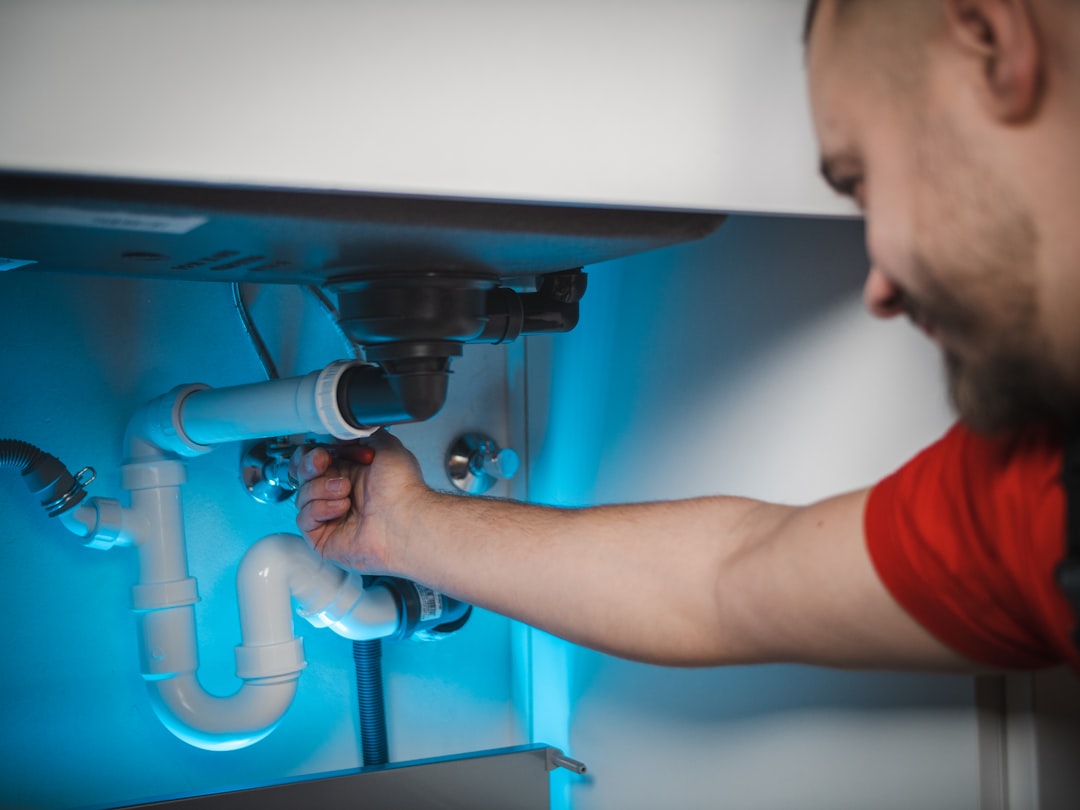
The relentless dripping under the sink is one of the most urgent warnings that a kitchen’s drainage system requires immediate professional attention. A minor water leak in the trap might seem harmless for the first few days, but its destructive impact advances rapidly and completely under the radar. The first element to suffer the consequences is the cupboard itself; its wooden or chipboard panels end up swelling, warping, and entirely losing their structural integrity. This material deterioration is inevitably followed by chronic damp issues, which encourage the proliferation of black mould and microorganisms that are harmful to indoor air quality.
Furthermore, when the trap leaks continuously, its main function is compromised: maintaining the water seal. As it empties, this liquid barrier disappears, allowing unhealthy gases and foul odours from the sewer system to freely enter your home. This protective function is so critical that drainage designs are strictly regulated by the wastewater installation standards of the Spanish Building Code (CTE DB-HS 5), an essential standard to guarantee the hygiene and watertightness of any building in Spain.
Faced with these types of incidents, having an expert diagnosis makes all the difference between a swift repair and having to replace damaged furniture. At JAG Alcaide, we have established ourselves as the leading plumbing service company, offering highly technical and effective solutions throughout Barcelona. Our team intervenes with absolute precision to pinpoint the exact source of the leak and restore the drainage system to perfect condition, ensuring the water seal regains its optimal level and thereby protecting your home’s overall hygiene.
Most common causes of water leaks in the kitchen sink trap
Discovering a puddle under the kitchen cupboard is a frequent domestic issue usually caused by the deterioration or misalignment of the trap’s components. Although it is a simple mechanism, several specific factors can trigger these leaks:
- Deterioration of the seals: Sudden temperature changes and constant contact with detergents eventually harden the rubber. A rigid, cracked, or dislodged seal loses its watertightness, resulting in a continuous drip. Replacing them is simple, as a replacement rubber seal kit costs between €3 and €8.
- Misalignment of the union nuts: Daily use, the slight jolts from storing pots in the cupboard, or continuous vibrations can loosen the fixing threads. It only takes a nut to be misaligned by a few millimetres for the seal to lose its airtightness.
- Cracks in the material or corrosion: PVC plastic pipes can crack from accidental impacts or from repeatedly pouring boiling water down the drain. In older installations with brass or lead traps, the accumulation of chemical agents eventually pits the metal through corrosion. Getting a new sink trap (material) will set you back between €10 and €25.
- Overpressure from accumulated debris: Grease, coffee grounds, and organic waste stick to the internal walls of the pipe. When a partial blockage forms, the water stagnates and exerts higher-than-normal hydraulic pressure, forcing its way out through the weakest joints.
Identifying the exact cause allows you to act quickly before the damp ruins the cupboard’s wood. In situations where the threads are cross-threaded or the drainpipe presents complications, hiring a professional trap repair or replacement service typically costs between €60 and €110.
How to identify the exact source of the drip under the sink
A small puddle inside your kitchen unit is usually the symptom of a leak that requires you to determine its exact source before handling any parts. Blindly dismantling components can deform the seals and worsen the leak.
To accurately diagnose where the leak is occurring, the dry paper method is highly effective. Thoroughly clean and dry all the pipes under the sink. Line the wooden base with dry kitchen roll and individually wrap three critical points:
- The waste valve: the connection between the sink basin and the start of the plastic section.
- The trap threads: the hand-tightened nuts holding the central structure together.
- The discharge pipe: the rear pipe directing wastewater towards the wall.
Fill the sink basin halfway, suddenly remove the plug, and immediately observe which area of the paper becomes soaked with water.
The trap’s architectural design also determines the vulnerable spots that must be inspected:
- Bottle trap: stores water in a removable lower reservoir to prevent bad odours. Leaks here usually focus on the O-ring of the bowl due to wear from limescale and debris buildup.
- Articulated or extendable trap: featuring ribbed flexible sections and several adjustable elbows, it suffers more from water temperature changes. Dirt gets trapped in the folds of the pipe, creating micro-pores or placing stress on the plastic nuts.
If the paper placed on the threads remains dry but moisture still appears, the leak is usually located at the wall connection. At this point, the rubber seal or double-lip sleeve connecting the trap pipe to the main PVC drain loses elasticity over the years. Water runs down the back of the pipe and seeps into the wall cavity or the back of the cupboard without being noticed at first glance.
Step-by-step guide to repairing the leak in the kitchen sink trap
Resolving a drip under the sink requires a methodical and precise approach to guarantee a long-lasting seal without damaging the plastic components. Below is the technical process to effectively solve this problem.
Before handling the installation, it is crucial to place a suitably sized bucket and dry cloths right underneath the affected section. With the container in position, manually loosen the plastic nuts by turning them anti-clockwise. If the thread is excessively stiff, you can use a cloth to improve your grip, avoiding the initial use of metal tools that could crack the material. Once the base of the trap is released, the trapped water will fall straight into the bucket.
Seal failures are usually due to the crystallisation or deformation of the sealing elements. Once the part is removed, you must clear out any impurities, limescale deposits, and accumulated grease from the screw threads using a soft brush and warm water. Following this, replace the deteriorated seals with new standard kitchen-size rubber replacements (usually 1½ inches or 40 mm). It is vital to check the orientation of the conical seals: the narrowest end must always point towards the mouth of the pipe being connected.
Reassembly is done by vertically aligning all the pipes to ensure the thread doesn’t cross-thread, which would cause permanent leaks. Tightening must be done solely by hand, applying just the right amount of pressure without forcing the thread pitch. To validate the repair, run a continuous flow of water from the tap for a couple of minutes and wipe a piece of dry kitchen roll over each joint. If the paper stays dry, the circuit has optimally recovered its watertightness.
When should you replace the trap or call an expert plumbing service?
Certain problems in the sink drainage system go beyond simply replacing a worn rubber seal. If the threads become deformed or stripped due to previous overtightening, the plastic loses its ability to exert the uniform pressure needed to seal. In these instances, much like when cracks appear in the polypropylene body caused by abrasive liquids or limescale buildup, applying Teflon tape or putty is merely a temporary and ineffective measure. Completely renewing the unit is the only guarantee of a proper seal.
When selecting the right replacement, the type of sink and the cupboard layout determine the best option:
- Rigid traps (bottle or U-bend): They offer maximum durability and excellent hydraulic discharge capacity. They are the ideal choice for traditional installations with ample free space.
- Space-saving traps: These feature an articulated layout that runs flat against the cupboard walls. They allow you to utilise the lower area for pull-out drawers or recycling bins without altering the anti-odour water seal.
- Flexible or extendable traps: Functional for resolving complex misalignments between the discharge valve and the wall outlet, although their internal folds require periodic checks to prevent sediment buildup.
Opting for a professional intervention ensures the pipe run maintains the correct gradient and that every joint operates without mechanical stress. A faulty assembly or one with loose fittings can cause micro-leaks that are invisible to the naked eye. Over time, this continuous water loss deteriorates the structure of your kitchen units, causes the wood to warp, and generates penetrating damp that could ultimately affect the floor slab or the flat below.
Addressing a small water leak under the sink early on is the difference between a simple fix and considerable damage to your kitchen fittings. Regularly checking the tightness of the nuts, examining the integrity of the rubber seals, and ensuring the drainage body has no cracks are essential steps to keep the installation under control. Replacing worn rubbers barely requires an investment of between €3 and €8, whereas buying a new trap costs between €10 and €25. These inexpensive replacements prevent persistent damp that ends up rotting wood and creating unpleasant odours.
Adopting good daily care habits is the best strategy to keep your plumbing intact. Disposing of food scraps correctly, avoiding pouring oils down the sink, and skipping abrasive chemicals protect the plastic pipes from corrosion and deformation. Likewise, unscrewing and cleaning the lower bowl a couple of times a year prevents hidden blockages, allowing water to flow freely without exerting extra pressure on the joints.
At JAG Alcaide, our specialist technicians are at your disposal to definitively resolve any issue with your water system. If the drip continues or you prefer the peace of mind of a professional job, our trap repair or replacement service costs approximately between €60 and €110.
Preguntas frecuentes
❓ How much does it cost to fix a leaking sink trap in Barcelona?
Replacing the rubber seals yourself costs between €3 and €8, while a completely new trap costs between €10 and €25. If you prefer to hire a professional plumbing service, the cost usually ranges from €60 to €110.
❓ Why is my kitchen sink trap leaking?
The most common causes for a leaky trap are worn-out rubber seals, loose union nuts from daily vibrations, cracks in the PVC plastic due to impacts or hot water, and internal pressure buildup caused by blockages.
¿Necesitas ayuda profesional en Barcelona?
En JAG Alcaide te ofrecemos presupuesto sin compromiso. Nuestro equipo de profesionales está a tu disposición.