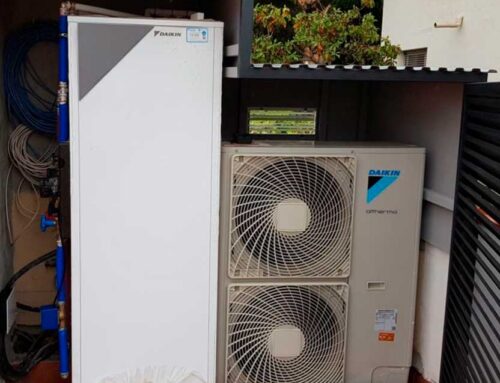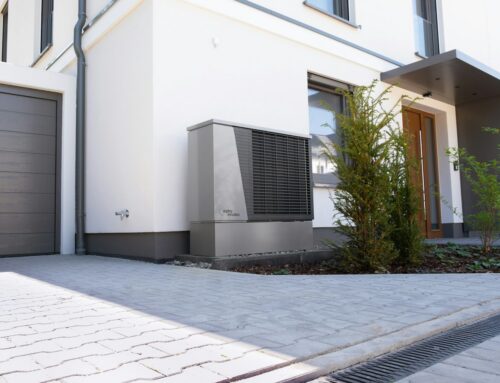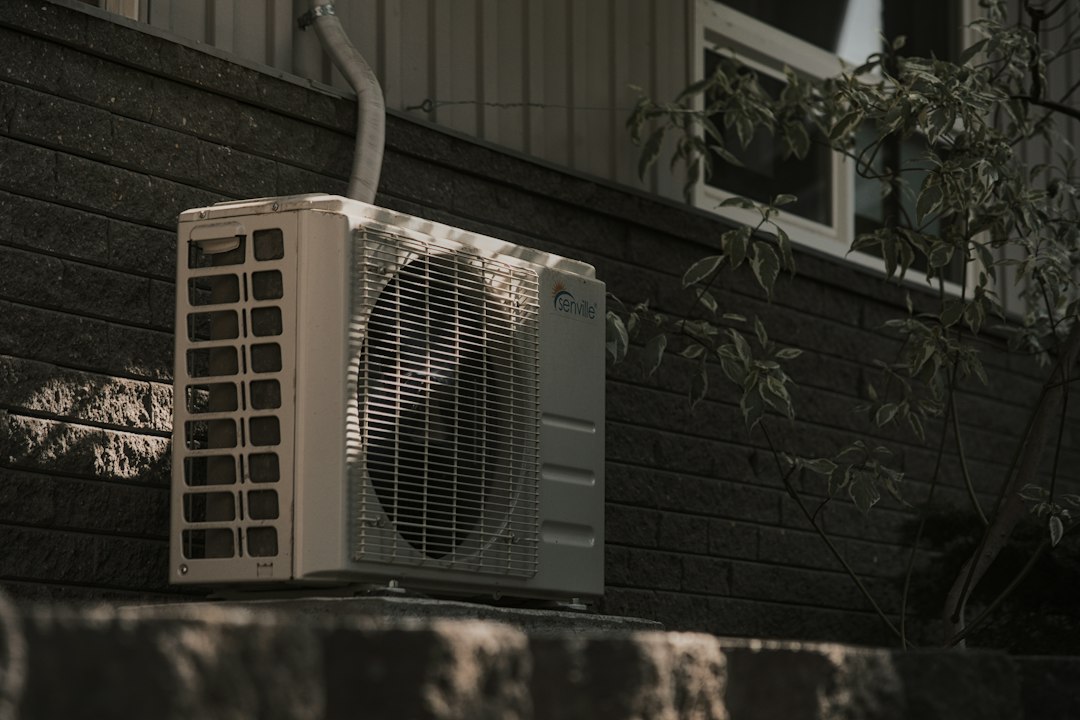
Ensuring optimal thermal comfort along the Barcelona and Badalona coastline requires a deep understanding of local atmospheric conditions. The combination of high summer temperatures and a relative humidity that routinely exceeds 70% puts climate control equipment under constant condensation strain. This specific environment significantly increases the risk of premature breakdowns and excessive electricity consumption if the unit is not correctly sized. For this reason, the intervention of specialists is essential to evaluate the real needs of each property, ensuring that the systems operate at peak performance without wasting energy. A poorly executed installation facing the sea can drastically reduce the lifespan of critical components such as compressors or electronic boards, due to exposure to saline humidity and continuous overexertion.
As leading technical experts in comprehensive climate control and domestic comfort services, at JAG Alcaide we approach every project with absolute analytical rigour. Our team of professionals evaluates key factors such as facade orientation, ventilation flow, and the level of thermal insulation, ensuring that every air conditioning installation responds perfectly to the climatic demands of the metropolitan coastline.
Every procedure we carry out is based on a strict regulatory framework. We meticulously apply the guidelines of the Spanish Regulation on Thermal Installations in Buildings (RITE), ensuring maximum safety and health in indoor air quality. Likewise, we integrate into each project the energy efficiency criteria recommended by the Institute for the Diversification and Saving of Energy (IDAE), configuring the equipment for rational use. This technical alignment not only certifies the legal compliance of the installation but also protects the client’s long-term investment, guaranteeing a perfect temperature with the lowest impact on the electricity bill.
RITE regulatory requirements and guarantees of a certified installation
The Regulation on Thermal Installations in Buildings (RITE) establishes a strict technical framework aimed at maximising energy efficiency and protecting the environment. Any intervention on climate control systems imperatively requires the installer to hold the official fluorinated gas handler accreditation. This professional licence proves the technical training necessary to prevent atmospheric emissions and ensures compliance with Royal Decree 115/2017. Upon completion of the work, the issuance of the installation bulletin (boletín) and the technical report certificate represents the only valid documentary guarantee for manufacturers, communities of owners, and insurance companies in the event of an incident.
The validity of an installation does not lie solely in its legalisation, but in the meticulous execution of technical operations that guarantee the compressor’s lifespan and optimal electricity consumption:
- Leak testing: Before introducing the refrigerant, the refrigeration circuit must be pressurised with dry nitrogen at high pressures (generally between 30 and 40 bar). This step confirms the airtightness of the flared connections and prevents medium and long-term gas leaks.
- Rigorous vacuum process: It is mandatory to use a dual-stage vacuum pump connected to a digital vacuum gauge, reaching values below 500 microns of mercury. This manoeuvre extracts the air and, fundamentally, evaporates the internal humidity from the copper pipes, which would otherwise cause the breakdown of compressor oil and the formation of harmful acids.
- Refrigerant calculation and adjustment: Units come factory pre-charged for specific pipe lengths (normally between 5 and 7 metres). If the distance between the indoor and outdoor unit exceeds that length, the installer must calculate the exact additional grams using a precision digital scale, preventing abnormal pressure operations that penalise the system’s seasonal performance.
Coastal climate factors in Barcelona: sea salt, humidity, and unit placement
Living near the coast subjects air conditioning systems to accelerated wear and tear if they are not planned with technical precision from the outset. The combination of constant relative humidity and suspended sodium chloride particles generates a highly oxidising atmosphere that deteriorates the critical components of the outdoor unit in just a few months.
The heat exchange coil and the metal casing are the most vulnerable parts when exposed to environmental salinity. To prevent refrigerant leaks due to pitting and to maintain energy performance, it is advisable to implement specific protection solutions:
- Hydrophobic and anti-corrosive treatments on the coil: Systems such as Blue Fin or Gold Fin on the aluminium fins insulate the coil from the corrosive effect of sea salt, preventing degradation through galvanic corrosion between copper and aluminium.
- Stainless steel screws and brackets: Fixing must be carried out with marine-grade stainless steel screws (AISI 316) and reinforced polyamide or hot-dip galvanised steel brackets to eradicate rust streaks on walls.
- Protection of electronic boards: Inverter boards (PCBs) require sealing with tropicalisation varnish to prevent short circuits caused by condensation and saline dust.
The choice of the mounting location must combine the unit’s efficiency with compliance with local urban planning ordinances and the statutes of the community of owners:
- Air circulation and aesthetics: It is essential to locate the condenser on communal rooftops, terraces, or well-ventilated interior courtyards, avoiding the recirculation of hot air and reducing the visual impact on the main facade.
- Regulatory water drainage: It is prohibited to discharge condensate directly onto the street or into communal elements. The drainage line must be channelled into a rainwater downpipe or connected to the internal sanitation network via a dry trap, always maintaining a minimum slope of 1.5% to prevent blockages and unpleasant odours.
Types of air conditioning units and calculating required frigories
Choosing the right technology to cool a property requires a detailed analysis of the building’s architecture and the actual thermal load that each room bears.
- 1×1 Split: The ideal option for cooling independent rooms or small properties where comfort is only required in specific areas like the living room or master bedroom. Each indoor unit requires its own outdoor compressor, which facilitates direct mounting and individualised thermal control with a contained initial cost.
- Multi-Split: Allows connecting between two and five indoor units to a single outdoor motor. It represents the optimal solution for medium-sized apartments in Barcelona that lack sufficient space on facades or terraces to install multiple compressors, maintaining independent temperature regulation in each room.
- Ducted air conditioning: The most aesthetic and integrated alternative for properties that have or will install plasterboard false ceilings. The air is distributed through a network of hidden ducts to fixed or motorised grilles, achieving a homogeneous flow distribution without visible devices on the walls.
A rigorous sizing prevents unnecessary electricity consumption due to overcapacity and premature compressor wear due to overexertion. The standard reference for conventional 2.5-metre ceilings is between 100 and 140 frigories per square metre (or about 40-50 frigories per cubic metre), applying the following corrections:
- Orientation and sun exposure: In rooms facing south or west, with high direct solar radiation during the afternoons, it is necessary to increase the base calculation by 15% to 20%.
- Insulation quality: Properties with aluminium frames without a thermal break or single glazing require at least 120-130 fg/m², while modern enclosures with double glazing allow working with 100 fg/m².
- Occupancy and heat sources: It is advisable to add approximately 150 frigories for each regular user and compensate for the thermal load generated by household appliances and electronic equipment in living rooms or integrated kitchens.
Preventative maintenance and electricity consumption optimisation
The energy performance of an air conditioning system depends directly on the condition of its mechanical and heat exchange components. A neglected installation can experience a notable increase in electricity consumption, derived from the constant overexertion that the motors perform to overcome air resistance and reach the selected target temperature.
To preserve the unit’s efficiency, there are three essential technical tasks in any maintenance protocol:
- Filter cleaning and sanitisation: The periodic removal of dust and suspended particles prevents pressure drops in the ventilation flow and prevents the saturation of internal ducts.
- Disinfection of evaporator coils: The progressive accumulation of moisture, dust, and organic matter on the exchange fins creates a favourable environment for the proliferation of fungi and bacteria. The application of specific bactericidal treatments eliminates these pathogens and restores the thermal conductivity of the coil, guaranteeing clean indoor air without bad odours.
- Operating pressure control: The verification of evaporation and condensation pressures using precision pressure gauges allows corroborating that the circuit operates with the exact amount of refrigerant, identifying possible leaks before they affect thermal performance.
Early detection of these operational anomalies is crucial for the system’s durability. Working with unbalanced pressures or insufficient airflow forces the compressor to operate at excessive discharge temperatures, degrading the lubricating oil and accelerating the mechanical wear of its internal components. Regular monitoring not only safeguards the most expensive element of the machine but also ensures a healthy indoor environment, free of allergens and with an electricity consumption adjusted to the original factory parameters.
Opting for quality, safety, and energy efficiency is the smartest financial decision when planning the climate control of any residential or commercial space. The true value of a refrigeration system is not calculated solely by looking at the purchase price, but by evaluating its behaviour, durability, and electricity consumption over the years. An approved installation ensures that the machinery operates strictly under the manufacturer’s exact specifications, optimising performance and preventing common deficiencies such as refrigerant gas leaks, poorly executed drains, or overloads on the electrical panel.
Investing in the supply and full installation of a mid-range inverter Split system, which involves an initial outlay of between €850 and €1,500, translates into a rapid return on investment. This ROI becomes evident month after month through lower electricity bills and the total absence of unforeseen repairs. In contrast, installations carried out by non-certified personnel end up being highly detrimental: they void the brand’s official guarantee, skyrocket energy consumption, and drastically shorten the compressor’s lifespan. Furthermore, backing this initial investment with an annual preventative maintenance service, whose cost is between €85 and €140, is the definitive strategy to preserve indoor air quality and maximum cooling capacity season after season.
Professional and technical advice with JAG Alcaide
To take the next step towards maximum thermal efficiency, our team of specialists is entirely at your disposal. We study each case down to the millimetre to provide the most efficient solution, always guaranteeing impeccable results, absolute peace of mind, and lasting comfort.
Preguntas frecuentes
❓ Why is coastal air conditioning installation different in Barcelona?
High humidity and sea salt along the Barcelona coast cause rapid corrosion. Units require specific anti-corrosive treatments (like Blue Fin), marine-grade stainless steel brackets, and expert sizing to prevent premature breakdown.
❓ How many frigories do I need for my AC in Spain?
As a standard rule for properties in Spain, you need between 100 and 140 frigories per square metre. However, this calculation should be adjusted upwards for south-facing rooms, poor insulation, or high occupancy.
¿Necesitas ayuda profesional en Barcelona?
En JAG Alcaide te ofrecemos presupuesto sin compromiso. Nuestro equipo de profesionales está a tu disposición.