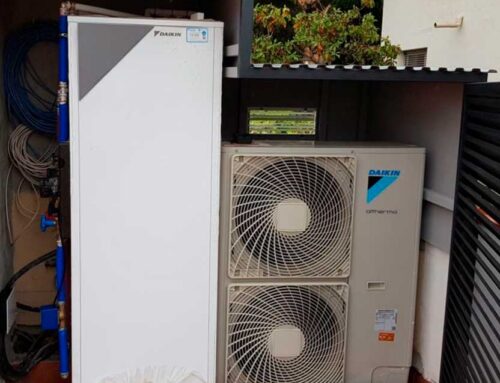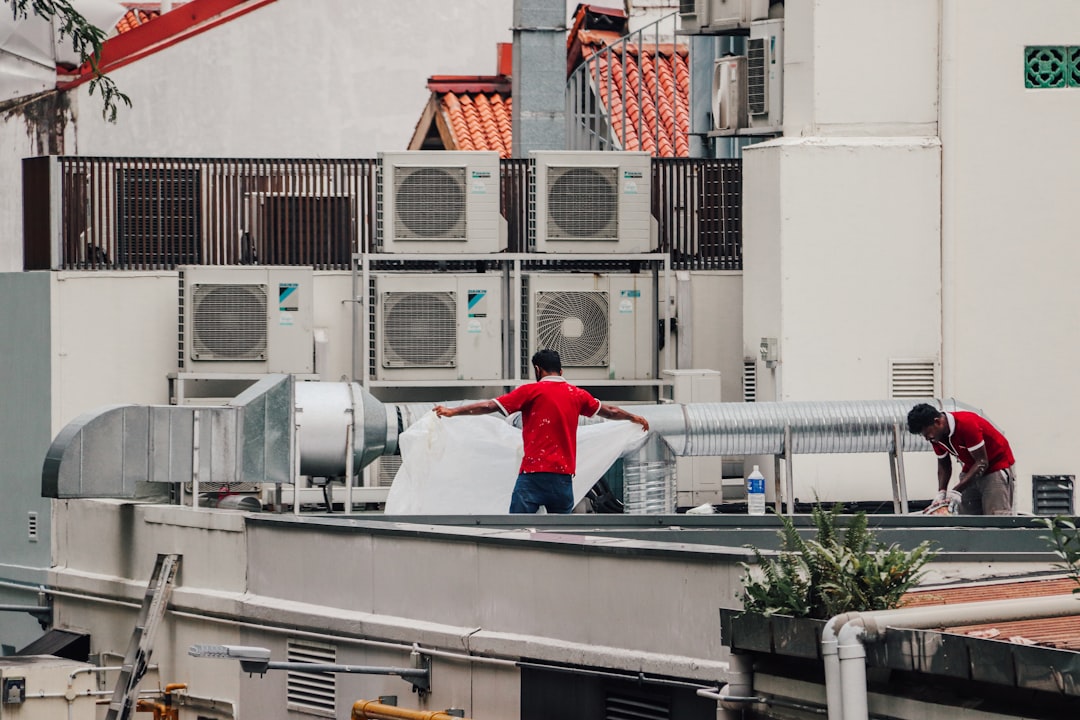
Enduring the intense summer heat on the Barcelona coastline requires cooling systems to operate constantly at peak performance. The Diagonal Mar neighbourhood, due to its direct exposure to the sea breeze and high humidity levels, presents atmospheric conditions that subject air conditioning systems to severe wear and tear. This climate demand triggers sudden breakdowns during the most critical moments of the summer, requiring immediate technical intervention to restore habitability and thermal comfort in homes and commercial spaces.
Faced with these types of urgent incidents, the absolute technical expertise of the specialists at JAG Alcaide guarantees a rapid diagnosis and a definitive resolution. Our team tackles any structural or mechanical fault in the climate control system, from condensation problems and blocked compressors to electronic board failures. Restoring cooling capacity in the shortest possible time is our priority when extreme temperatures threaten indoor well-being.
Beyond operational speed, any technical intervention on thermal equipment requires absolute strictness regarding legal and environmental matters. Repairing faults involving the refrigerant circuit is subject to strict controls, as handling these fluids requires specific certification. Our repairs are carried out in full compliance with the fluorinated gas handling and energy efficiency guidelines established by the Ministry for the Ecological Transition. Working within this regulatory framework not only ensures environmental protection but also guarantees the perfect sealing of the equipment, optimises its electrical consumption, and extends its lifespan without the risk of sudden service cuts.
Most frequent air conditioning faults in Diagonal Mar and their urgent repair
Living just a few metres from the coastline subjects climate control units to much greater wear and tear than in other urban areas. In a coastal environment like Diagonal Mar, the combination of high environmental humidity and salinity accelerates the degradation processes of technical components, causing specific faults that require specialised attention.
Among the most common problems are:
- Corrosion in condensers: The salt-laden sea breeze continuously attacks the aluminium fins and tubes of the outdoor heat exchanger, drastically reducing the equipment’s cooling capacity.
- Refrigerant gas leaks: Copper oxidation generates tiny pores through which the refrigerant fluid escapes. The complete solution, which includes locating the pore, soldering it, and subsequent recharging, usually costs between €150 and €280.
- Drainage system blockages: High relative humidity generates a constant volume of condensation. When mixed with suspended dust, it creates a dense mud that obstructs the piping or paralyses the evacuation pump, causing water leaks into the room.
Uncontrolled water leakage into the home doesn’t just damage suspended ceilings, walls, or parquet flooring. The real danger lies in the proximity of the pipes to the electrical installation, where accumulated moisture can cause a ground fault, repeatedly trip the circuit breaker, or cause short circuits in the main electrical panel.
A rapid deployment technical service allows the fault to be assessed through an emergency call-out and diagnosis (the estimated cost of which is around €60 to €120). In this way, the exact origin of the fault is detected, prolonged equipment downtime during extreme heat is avoided, and far-reaching collateral damage to the home’s infrastructure is prevented.
How much does it cost to repair or install air conditioning in Barcelona?
Knowing the factors that determine the cost of a technical intervention allows you to clearly assess each economic aspect when resolving a breakdown or updating a climate control system in the city. The final costs depend directly on the type of work, the accessibility of the installation, and the urgency with which assistance is required.
- Urgent diagnosis and inspection: This covers the call-out and the exact localisation of the fault in the electrical or refrigerant circuit. In priority interventions, the fee includes immediate attention and the initial analysis to determine if the repair requires replacement parts.
- Gas recharge and leak repair: The cost varies depending on the quantity and type of refrigerant (such as R32 or R410A). It is essential to detect and seal the leak by soldering or replacing the piping before topping up the gas, ensuring long-lasting performance.
- Installation of new equipment: Fitting an individual wall-mounted Split model involves less complex structural work than a centralised ducted system. In the latter, adapting to suspended ceilings, installing supply grilles, and technical interconnection increase the workload.
The final figure for any repair or installation is influenced by specific conditions of the property:
- Accessibility of the outdoor unit: Work on hard-to-reach facades, small inner courtyards, or at heights requiring special fixing equipment increases the execution time.
- Distance between units: Exceeding the standard length between the indoor and outdoor units requires additional metres of insulated copper piping, interconnection wiring, and protective trunking.
- State of the previous installation: If the existing electrical network or drainage does not comply with current regulations or is damaged, prior adaptation is necessary to guarantee the proper functioning of the compressor.
Immediate action protocol for a sudden climate control failure
A sudden shutdown of the climate control system in the middle of summer requires staying calm and following a series of sequential steps to protect the installation and the home.
Before the technical staff arrives, it is essential to take certain basic precautions that will prevent further damage to the equipment’s electronics or the building’s infrastructure:
- Disconnect the power supply: It is advisable to turn off the appliance using the remote control and, above all, flip the corresponding circuit breaker on the electrical panel. This action prevents power surges and protects the control board if there is a mains fault.
- Control water leaks: If the indoor unit is constantly dripping, it is a priority to place a container under the equipment and dry the affected area to prevent damage to parquet floors or plasterboard ceilings.
- Stop restarting attempts: Repeatedly forcing the equipment to start when there is a mechanical or electrical blockage can end up burning out the compressor, significantly increasing the cost of the repair.
Upon beginning the intervention in the home, an exhaustive troubleshooting protocol is executed, focused on restoring the system to operation with total safety:
- Detecting the source of the fault: An inspection is carried out using specialised instruments, analysing the working pressures of the refrigerant gas, checking the state of the start capacitor, and measuring the electrical consumption in amps.
- Replacing defective components: After identifying the cause (whether a depleted capacitor, a refrigerant leak in the flares, or a short-circuited electronic board), the circuit is repaired or the element is replaced with a compatible, certified part.
- Verification and performance check: The intervention concludes by measuring the thermal shift—the temperature difference between the air the machine absorbs and the air it expels, which should be between 10 °C and 15 °C—and checking the proper evacuation of the condensation tube.
Keys to preventive maintenance and the best time to buy a system
Protecting the performance of an air conditioning system requires rigorous periodic care and strategic planning at the time of purchase. Carrying out timely inspections not only prevents serious breakdowns during peak demand but also directly optimises the home’s energy consumption.
An efficient maintenance plan should focus on three key interventions:
- Filter cleaning and sanitisation: This is the simplest and most decisive task. Filters clogged with dust reduce airflow, force the compressor to work harder, and can increase electricity consumption by up to 15%. Washing them with warm water at least twice a year guarantees a clean environment and smooth operation.
- Checking circuit pressures: This allows you to verify that there are no refrigerant gas leaks. A drop in static or working pressure usually indicates micro-leaks which, if not detected in time, end up freezing the indoor unit or damaging the electronic board.
- Verifying the heat pump: In reversible systems, it is essential to check the four-way valve switch and the temperature sensors to ensure a clean transition between summer and heating modes.
The climate control market experiences strong seasonal peaks. Purchasing a system during the heatwaves of July or August usually involves higher costs and longer installation times due to the high saturation of urgent requests.
To maximise the investment, the off-peak months—especially during spring (March to May) and autumn (October and November)—offer the ideal window of opportunity. During these periods, manufacturers often launch promotions to renew stock, the availability of highly energy-efficient models is full, and planning and installation times are drastically reduced before the start of summer and winter.
Ensuring thermal well-being at home requires agile and precise responses to any unforeseen event that alters the daily routine. A sudden failure in the air conditioning system not only affects the immediate comfort of the home but can also compromise indoor air quality and the overall safety of the electrical installation. For this reason, having a local technical service, capable of intervening extremely quickly in the Diagonal Mar area, makes the difference between a passing nuisance and a truly serious problem. Geographic proximity drastically shortens travel times, ensuring that the equipment is back to full performance in the shortest possible time and with full guarantees.
The intervention of highly trained professionals is the only safe way to resolve the incident definitively. A comprehensive diagnosis at the right time prevents a minor malfunction from turning into irreversible compressor failure or major leaks in the refrigeration circuit. Knowing that a service covering an emergency call-out and diagnosis typically involves an investment of between €60 and €120 helps prioritise this rapid intervention as a fundamental preventive measure to extend the lifespan of the appliances. Relying on local specialists ensures a transparent process, where every repair is executed respecting the highest standards of quality, safety, and energy efficiency.
Need an urgent and definitive solution for your air conditioning system? Our specialised technical team is ready to act immediately and safely restore thermal comfort to your home. Request urgent technical assistance right now or ask for your personalised, no-obligation quote. At JAG Alcaide, we guarantee fast, professional, and totally reliable service to resolve any breakdown in the shortest possible time.
Preguntas frecuentes
❓ How much does an urgent air conditioning diagnosis cost in Barcelona?
An emergency call-out and diagnosis in Barcelona typically costs between €60 and €120. This allows our technicians to pinpoint the exact fault and prevent further damage to your AC system.
❓ What are the most common AC faults in the Diagonal Mar area?
Due to the coastal environment in Diagonal Mar, common issues include corrosion in condensers from sea salt, refrigerant gas leaks, and drainage blockages caused by high humidity and dust.
¿Necesitas ayuda profesional en Barcelona?
En JAG Alcaide te ofrecemos presupuesto sin compromiso. Nuestro equipo de profesionales está a tu disposición.